Kyoto · Where to Stay
Where to Stay in Kyoto: Ryokan Luxury to Riverside Budget — 3 Picks
Kyoto is a city of quiet mornings, tatami floors, and streets that glow at dusk. Where you sleep decides whether you wake inside that atmosphere — or commute into it. Here are three real favorites, one for every kind of trip.
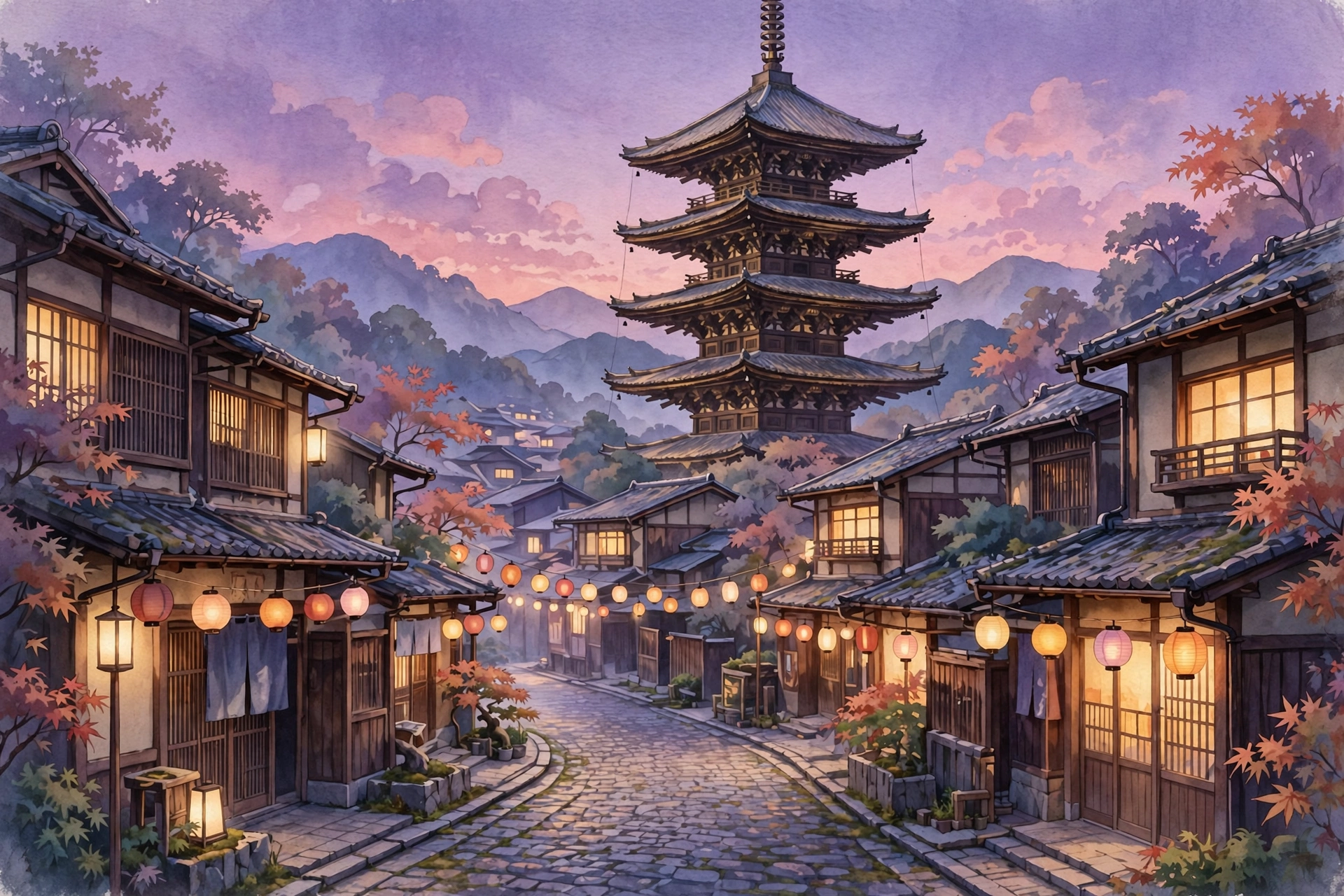
Kyoto isn’t a city you conquer from a single base camp — it’s a city you sink into. The right neighborhood means stepping out your door into lantern-lit lanes instead of onto a subway platform. But Kyoto’s neighborhoods vary wildly: the historic east feels like a different century from the practical station district, and each has its own kind of traveler it suits best.
So rather than an exhaustive list, here are three stays we’ve genuinely vetted — a special-occasion riverside ryokan, a brilliant-value onsen hotel by the station, and a charming budget hostel in the heart of downtown. One for every budget, each earning its place.
The splurge: Hoshinoya Kyoto
KyotoAt a glance
- Neighborhood
- Arashiyama, on the banks of the Hozu (Ōi) River
- Ideal for
- Honeymoons, anniversaries, and once-in-a-lifetime trips
- Price band
- Luxury rates, typically $400 and up per night — check current rates
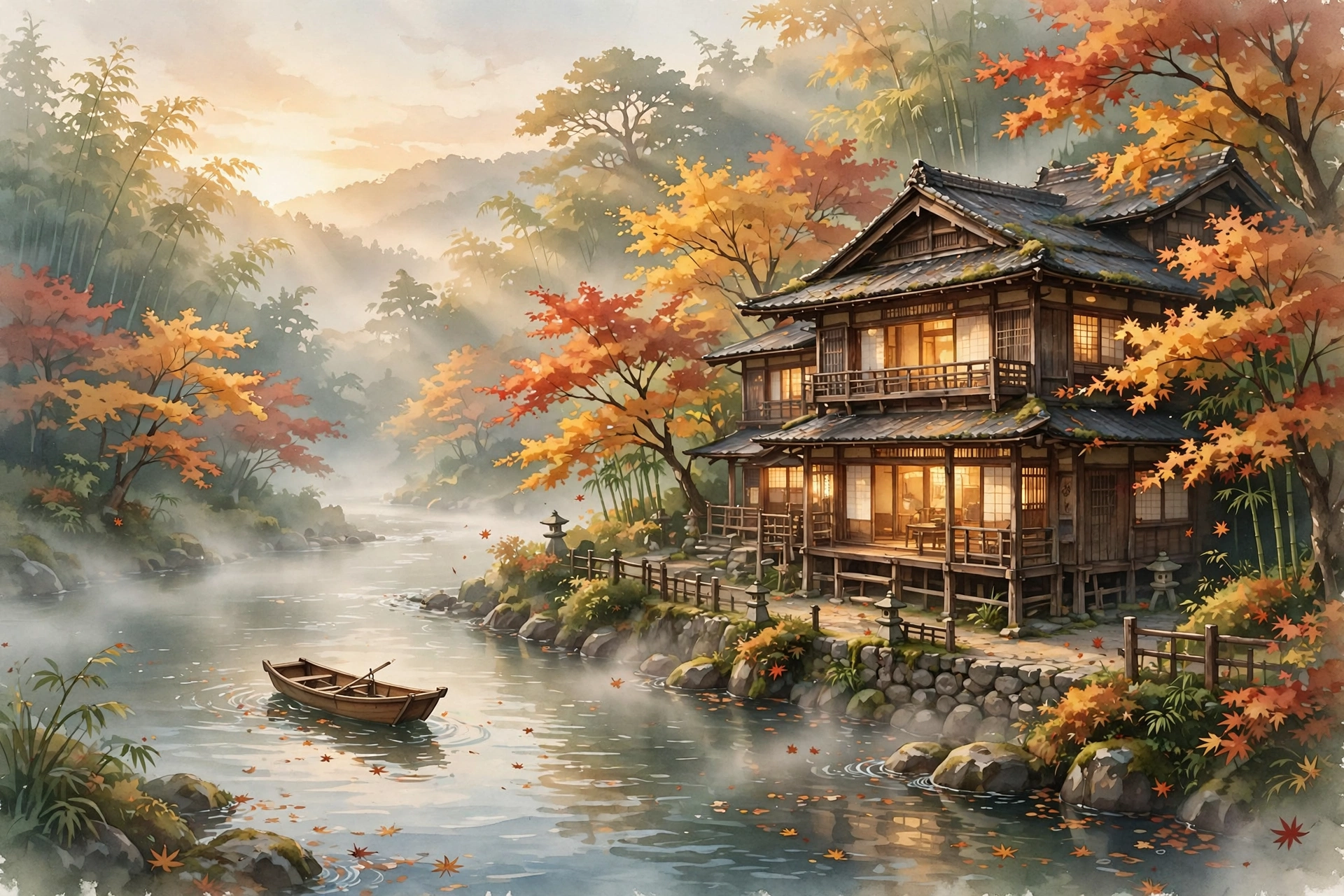
Hoshinoya Kyoto is less a hotel and more a secret. Set in a century-old former inn tucked into the Arashiyama mountainside, it’s reached only by private boat along the river — your stay begins the moment you step off the dock and the city noise falls away behind you. Every one of its roughly two dozen rooms faces the water.
Why we’d book it:
You arrive by boat. No taxi, no station — a small wooden boat carries you upriver to a hidden dock. It’s the single most theatrical hotel arrival in Japan, and it happens before you’ve even checked in.
The ryokan is the real thing, perfected. Tatami rooms, shoji screens, and centuries-old timber joinery — but executed with Hoshinoya’s meticulous modern comfort. Rooms look out over the river and the forested hills; in autumn, the maples set the whole valley on fire.
Arashiyama is your backyard. Tenryū-ji Temple and the bamboo grove are minutes away, meaning you can walk them at dawn before the crowds arrive — a privilege no station hotel can match.
Dinner is a ceremony. The kaiseki restaurant serves seasonal multi-course dinners in a river-view dining room — book the dinner plan at least once; it’s the meal you’ll talk about for years.
The sweet spot: Onyado Nono Kyoto Shichijo Natural Hot Spring
At a glance
- Neighborhood
- Shichijo, a 7-minute walk from Kyoto Station
- Ideal for
- First-timers, couples, and anyone who wants Japanese tradition at a fair price
- Price band
- Mid-range, typically $90–$170 per night — check current rates
Onyado Nono is the rare hotel that gives you a genuine Japanese bathing-culture experience at mid-range prices. The moment you step inside, the shoes come off — the entire hotel, lobby included, is tatami-floored — and you’re handed a samue (traditional loungewear) and tabi socks. Guests rate it around 9.2 from more than 15,000 reviews, and it’s easy to see why.
Why we’d book it:
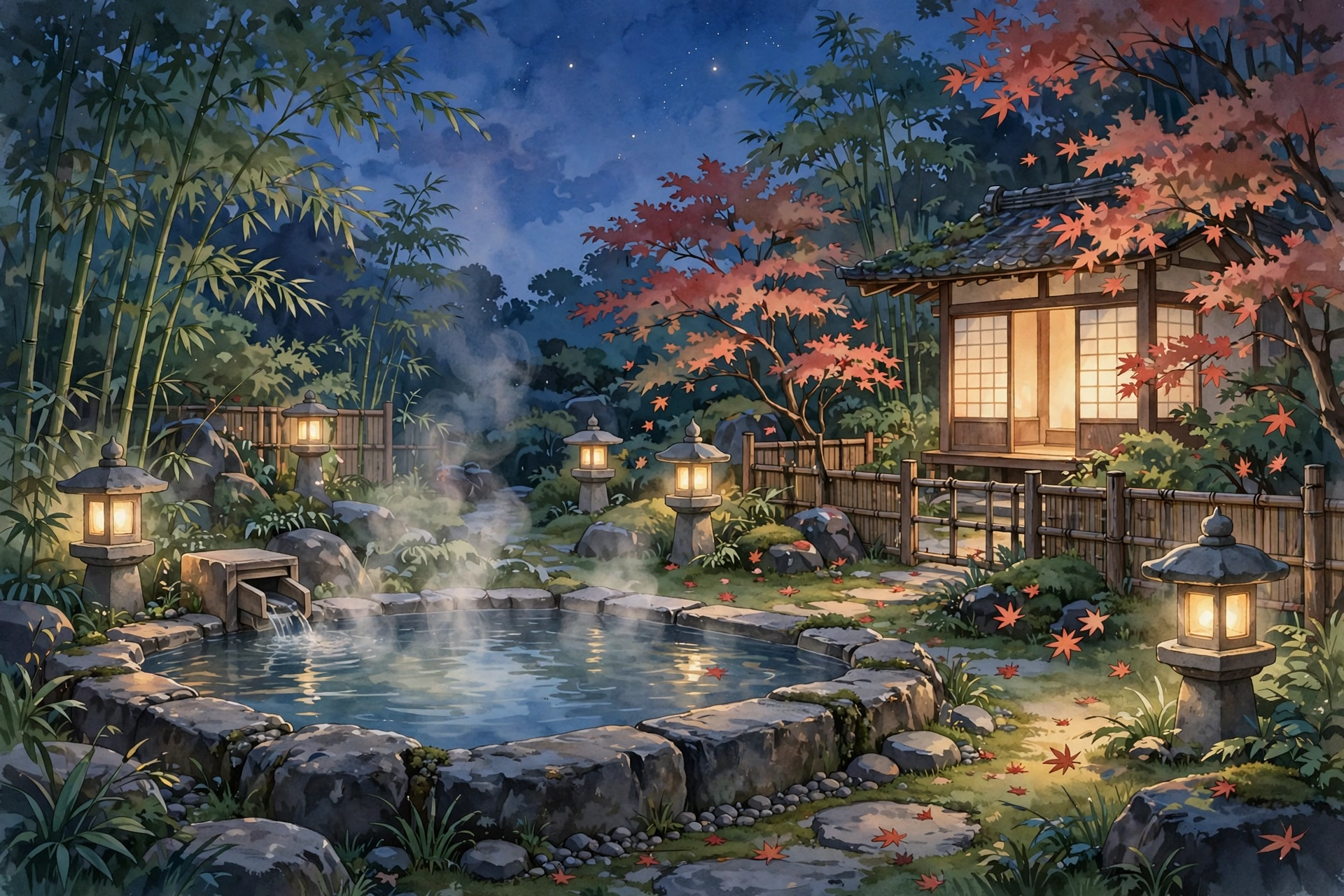
The onsen is the star. Expansive natural hot spring baths — silky baths, stone and rock baths, dry sauna, nano steam sauna — open into the small hours, so a long sightseeing day ends with a proper soak. Free ice cream bars after your afternoon bath and Yakult drinks in the morning are the little touches guests rave about.
The station location is unbeatable for day trips. Seven minutes on foot from Kyoto Station means the Shinkansen, the Haruka airport express, and the buses to everywhere start at your doorstep. If you’re doing a day trip to Osaka or Nara, this is the most practical base in the city.
It feels like a ryokan, priced like a hotel. Shoji screens, low-profile beds, tatami everywhere, a Kyoto-style breakfast buffet with customizable seafood bowls — the atmosphere is old-Japan without the old-Japan price tag.
The charmer: Len Kyoto Kawaramachi
At a glance
- Neighborhood
- Kawaramachi, in the heart of downtown Kyoto
- Ideal for
- Budget travelers, solo travelers, and social first-timers
- Price band
- Budget — dorm beds typically $40–$70 per night, private rooms more — check current rates
Len Kyoto Kawaramachi is the hostel that converted non-hostel people. Set right in the downtown grid near Nishiki Market, it runs at around 4.5–4.6 out of 5 across review platforms, with guests calling it one of the best hostels they’ve ever stayed in. The whole property is designed like a boutique hotel — clean dorms with privacy curtains, an exceptionally nice common area, and staff who speak English and genuinely help you plan your days.
Why we’d book it:
The ground floor is a neighborhood hangout. A café, bar, and restaurant occupy the first floor, open to locals as well as guests. Morning coffee downstairs, a drink with new friends at night — the social life of the trip takes care of itself.
The location is downtown Kyoto at its most walkable. Nishiki Market, Pontocho Alley, the Kamo River, Gion’s edge — all on foot or a short bus ride. A bus stop right outside the door connects you to the temples when your feet are done.
It punches above its price. Large comfortable beds, lockers, laundry, luggage storage, great Wi-Fi and AC, spotless bathrooms — the amenities read like a mid-range hotel, at a fraction of the price.
“In Kyoto, mornings matter more than amenities.”
— The Travel Desk
Booking tips for Kyoto
- Choose Kyoto over Osaka for the atmosphere If your heart is in Kyoto’s temples, shrines, and old streets, sleep in Kyoto — the city is magical at dawn and after dark, and those hours belong to the people who stay. Osaka is a fast 30 minutes away by train and makes a fine alternative base if your itinerary leans toward nightlife and day trips.
- Understand ryokan culture before you book one Traditional ryokans mean tatami floors, futon bedding laid out while you dine, a no-shoes policy throughout, and — at onsen ryokans — shared bathing (separated by gender, tattoos sometimes restricted). Many ryokans offer dinner-and-breakfast plans that are worth the splurge for the kaiseki experience alone. Onyado Nono above is the perfect low-stakes introduction if a full ryokan feels like a leap.
- Book peak seasons months ahead Cherry blossom season (late March to early April) and autumn foliage (mid-November to early December) sell Kyoto out almost entirely — the best rooms go months in advance, and prices climb. If your dates are flexible, early June and winter offer the city’s best value with far smaller crowds.
Where to stay in Kyoto: FAQ
What’s the best area for a first-time visitor?
Downtown Kyoto — the Kawaramachi/Sanjo/Karasuma grid — is the safest first base: the most transport, the most restaurants, and an easy walk to Gion and the Kamo River. Kyoto Station’s district is best if you’re doing lots of day trips (Nara, Osaka, the airport express all run from the station). Arashiyama is the romantic choice but a bit removed for sightseeing beyond the west side.
Should I base myself in Osaka instead?
Only if your itinerary is Osaka-heavy. Kyoto deserves early mornings and late evenings — the temples at dawn, the lantern-lit lanes after dark — and commuting in from Osaka costs you both. Osaka hotels can be cheaper, but the 30–45 minutes each way adds up fast on a multi-day trip.
Are the futon beds in ryokans comfortable?
Yes — futons at quality ryokans are thick, plush, and laid on tatami, which is firmer than a Western mattress but genuinely restful. If you have back issues or strongly prefer a bed frame, choose a ryokan with Western-style rooms (many offer both) or a hybrid like Onyado Nono with low-profile beds.
What’s the etiquette for hotel onsen?
Wash thoroughly at the shower stations before entering the baths, keep your small towel out of the water, no swimwear, and keep noise down. Tattoos are traditionally restricted at some onsen — check the hotel’s policy if yours are visible. When in doubt, watch what the locals do and follow along.